


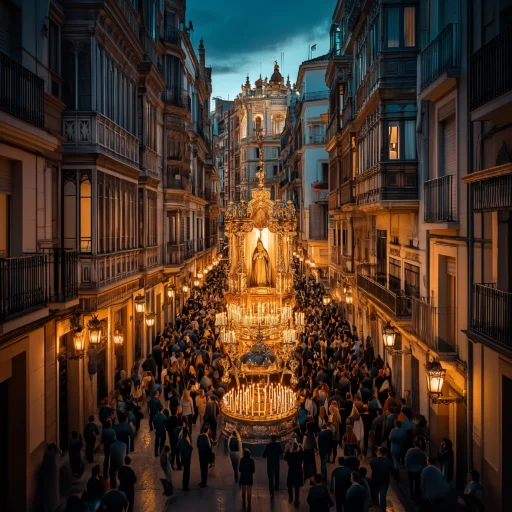
Semana Santa in Málaga: where faith, art and passion fill the streets ✝️🎺
Málaga. The name probably conjures up sun-drenched beaches, the glittering Mediterranean and lazy afternoons over a glass of tinto de verano. ☀️🏖️ That is certainly part of its charm, but there is one week in the year when this lively city reveals another, far deeper side of its character. Welcome to Semana Santa — Holy Week — when Málaga does not merely celebrate tradition; it lives it.
Forget everything you thought about parades. Semana Santa in Málaga is an immersive, sensory experience shaped over centuries. It is a breathtaking spectacle of devotion, craftsmanship and raw human emotion playing out in the city's streets, and it offers an unforgettable glimpse into the very soul of Andalusia. 😍
The heartbeat of Holy Week: processions that move a city
At the centre of Semana Santa are the daily processions staged by historic brotherhoods, the 'cofradías'. These are no ordinary parades. Picture this:
- Monumental 'tronos': forget floats — these are vast, richly decorated 'thrones', some weighing several tonnes, carrying extraordinarily detailed sculptures of scenes from the Passion or solitary figures of the Virgin dressed in elaborately embroidered robes. Unique to Málaga, these massive structures are carried on the shoulders of hundreds of devoted men (and sometimes women), the 'hombres de trono'. Watching them negotiate a tight corner, or take part in the emotional 'encierro' — the return to their mother church — is genuinely awe-inspiring. 💪
- Anonymous penitents: columns of 'nazarenos' walk ahead of the thrones. Dressed in distinctive robes and tall, pointed hoods called 'capirotes' (meant to symbolise penance and bring the wearer closer to heaven — there is nothing sinister about them), their anonymity adds gravity to the atmosphere. Each brotherhood has its own colours, turning the processions into flowing rivers of purple, green, black or crimson. Look closely: some walk barefoot as an act of personal sacrifice. 🙏
- A feast for the senses: the air thickens with the sweet, mystical smell of incense mingling with orange blossom from the city's trees. 🍊🌸 The soundtrack shifts dramatically — the rhythmic beat of drums, the mournful wail of trumpets as marching bands play solemn 'marchas procesionales' (more than 200 pieces have been composed for Málaga alone), the collective hush of the crowd, and sometimes the heart-rending sound of a 'saeta', a spontaneous flamenco lament sung from a balcony to the figures passing below.
Málaga's own moments: traditions you will not see anywhere else
Semana Santa is observed across Spain, but Málaga has traditions that make its Holy Week genuinely exceptional:
- La Pollinica (Palm Sunday): the week opens joyfully, with children in their best clothes carrying palms to greet the throne depicting Jesus entering Jerusalem.
- El Cautivo (Holy Monday): known as the 'Lord of Málaga', this figure of Christ inspires enormous devotion. Thousands walk in silence beside his procession through the night.
- Virgen de las Penas (Holy Tuesday): a breathtaking sight — the Virgin's mantle, woven entirely from fresh flowers. 💐
- El Rico (Holy Wednesday): a tradition going back to King Charles III — this brotherhood has the privilege of freeing one prisoner each year, who then walks in the procession.
- Cristo de Mena (Maundy Thursday): a truly spectacular occasion. Soldiers of the Spanish Legion, known for their distinctive rapid march, come ashore at the port in the morning and later carry the venerated figure of the Christ of the Good Death through the streets. It is a display of military precision and raw emotion.
- La Esperanza (Maundy Thursday): admire the sheer scale of the throne bearing Our Lady of Hope — one of the heaviest and most magnificent, demanding enormous effort from its bearers.
- Servitas (Good Friday): as darkness falls the street lamps go out and this solemn procession passes in near-total silence, lit only by flickering candles — a genuinely moving experience.
More than spectacle: history, community and faith
Semana Santa in Málaga is not staged for tourists; it is woven deep into the city's history. Its roots reach back to the 15th century, in the period after the Reconquista, as a way of teaching the Catholic faith. Over the centuries it evolved, survived turbulent times — including the devastating loss of many artefacts during the Civil War, which forced extensive restoration work — and became the powerful cultural expression it is today, coordinated since 1921 by the Agrupación de Cofradías, the association of brotherhoods.
It is community pride, family traditions handed down through generations, and a shared, deeply felt expression of faith and culture that unites the whole city.
Tips for visitors
Want to see Semana Santa in Málaga? A few pointers:
- Plan ahead: this is peak season. Book accommodation well in advance. 🗓️
- Get a schedule: processions run every day except Holy Saturday. Times and routes vary — pick up a guide so you know where and when to be.
- Wear comfortable shoes: you will do a LOT of walking and standing, often in crowds. 👟
- Find your spot: the official route (Alameda Principal, Calle Larios) offers superb views but gets packed. Consider finding a place on the wider streets along the procession routes, or watch the emotional start ('salida') or finish ('encierro') at the brotherhoods' churches. Be patient!
- Be respectful: remember that for local people this is an intensely important religious event. Dress modestly, keep quiet during solemn moments and never block a procession.
- Taste the tradition: look out for typical Semana Santa treats such as 'torrijas' (similar to French toast, soaked in honey or sugar) or the local 'limones cascarúos', large thick-skinned lemons. 🍋
Semana Santa in Málaga is intense, captivating and utterly singular. It is a powerful blend of solemn ritual and spectacular craftsmanship, a sensory overload that resonates long after the last drumbeat fades. It is a chance to see Málaga not just as a holiday destination, but as a city with a living, breathing soul. Do not simply visit Málaga — feel it during its most extraordinary week. ✨🌍